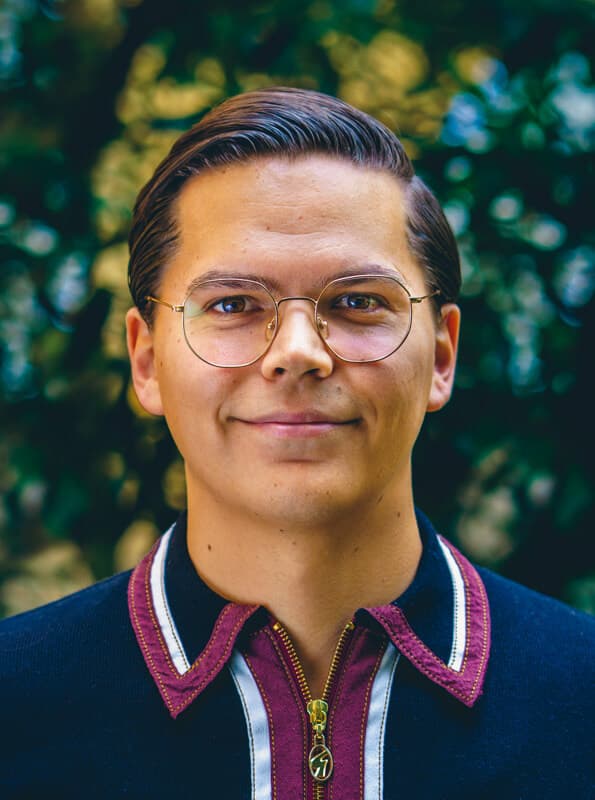
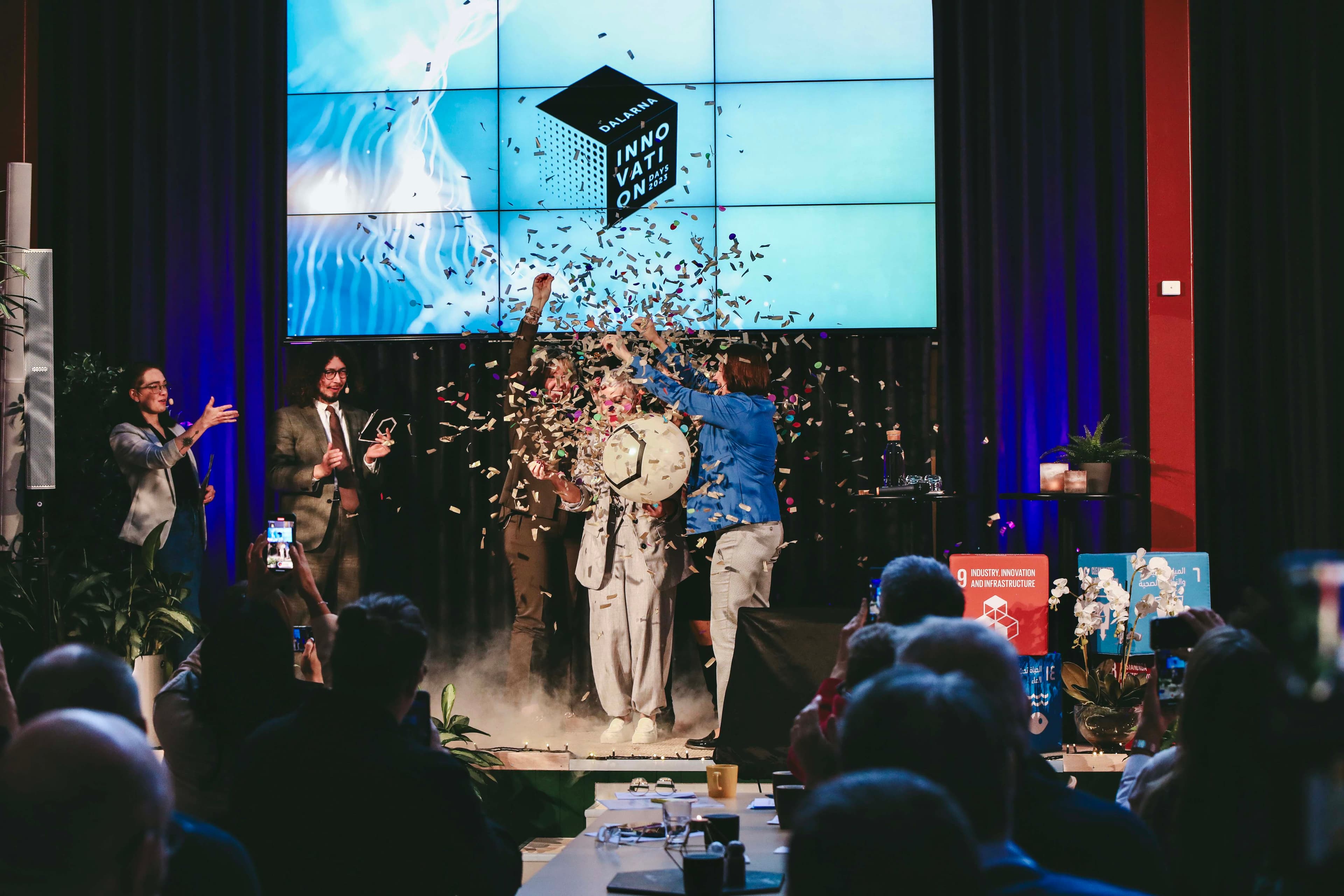
Katarina Cars creates spaces where leaders dare to pause
When Katarina Cars describes her work, she doesn't start with methods or tools. She starts with people.

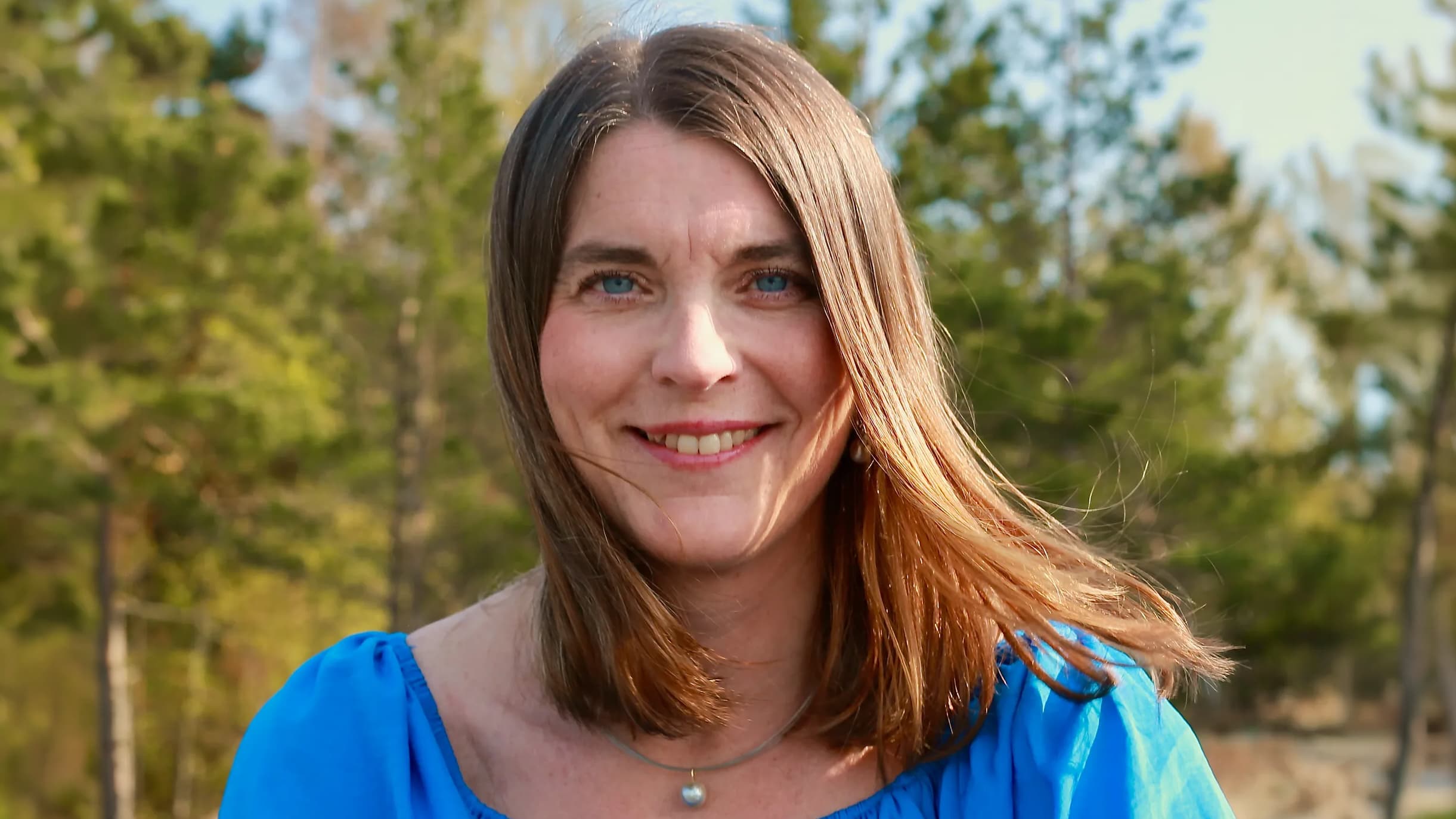
she says she works with organizational and personal development, but what she really means is that she follows leaders and groups over time. She helps them pause, look at how they work together, and address what actually needs to be addressed.
Much of her work takes place in leadership teams, where she often comes back to three fundamental questions.
Three questions that change the pace
Instead of starting with “what should we do now?”, Katarina starts somewhere else.
She works with three questions:
- What wants to happen?
- Who is that asking me to be?
- What is it asking me to do?
She says that many organizations jump straight to the last question. Things need to be decided, produced and delivered.
We want to fix, we want to do, we want to check things off. But where does our doing come from?
When groups first settle on the direction and on who they need to be in the situation, it becomes clearer what actually needs to be done. The pace becomes more deliberate, not slower, just more grounded.
Leadership is not the same as management
Katarina draws a clear distinction between role and person. Management is a function: a mandate with responsibility, structure and rules.
Leadership is something broader.
We all have leadership. For me, leadership is a relationship with myself and with others.
That is why her work often moves between the individual and the group. A leadership team can’t develop unless each individual reflects on their own leadership. And an individual always develops in relation to others.
Not solving too quickly
In many organizations, problem-solving is a reflex. When something chafes, it has to be fixed.
Katarina first wants to understand what the situation is trying to say. She often quotes her teacher Alan Seale:
“A problem is not something to be solved, it’s a message to be listened to.”
That doesn’t mean problems shouldn’t be solved. But sometimes there is something deeper behind the conflict or the uncertainty. Listening first often changes the quality of the decisions made later.
The setting is part of the work
Where the work happens is not a minor detail.
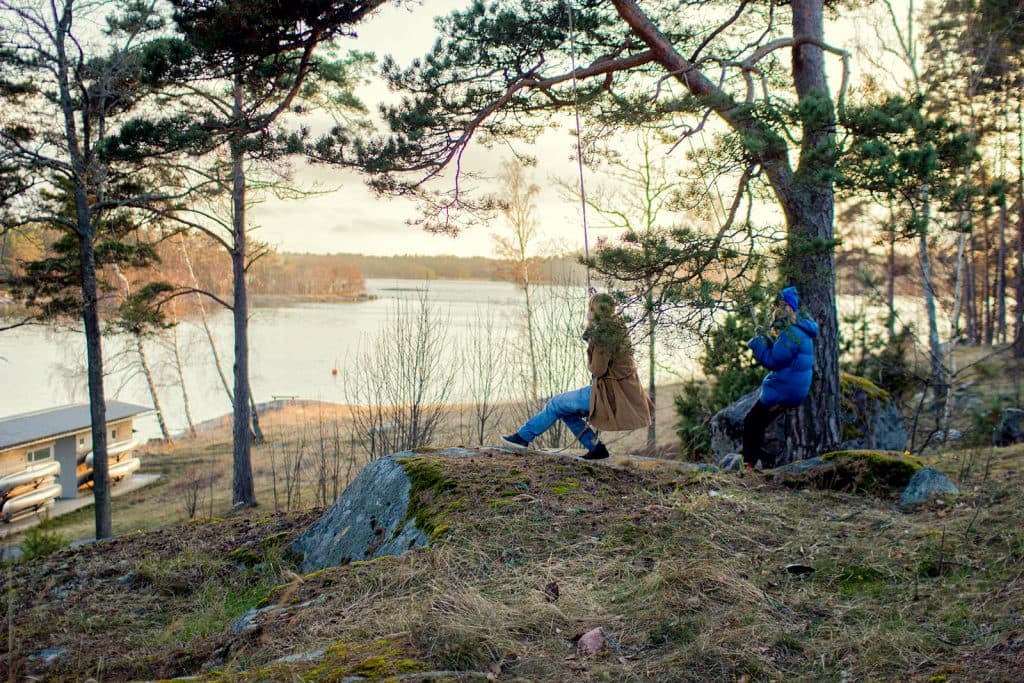
Katarina likes to take groups to Utö in the Stockholm archipelago. Getting there is already a shift.
The pace changes the moment you step onto the boat, and everyday life stays behind on the mainland. The groups are often small, around twelve people. It mustn’t become too impersonal.
The work happens both indoors and outdoors, with walk-and-talks, exercises in nature, and silence.
She has noticed a growing interest in exactly that: being free of outside input for a while.
What happens when I’m not allowed to listen to music or even read a book? I just get to be in silence.
When everything around the programs needs to be in sync
Katarina runs her company on her own. She plans, delivers and follows up on her programs herself. She used to take registrations through Google Forms. That worked in practical terms, but it didn’t give the same feel.
With Confetti, all of these come together in one place:
- registration
- payment
- participant communication
- program information
It saves time, but it also shapes how participants experience the whole.
I very often get the response: It looks so professional, it's so nice.
For programs built on trust and presence, the experience starts with the invitation. It needs to feel well crafted from the very first click.