How to create a tech event where more people feel welcome
Tech events can create meaningful connections. They bring together people who want to build, test ideas and learn from each other. But for more people to feel welcome, organizers need to think through more than just the program, venue and technology.

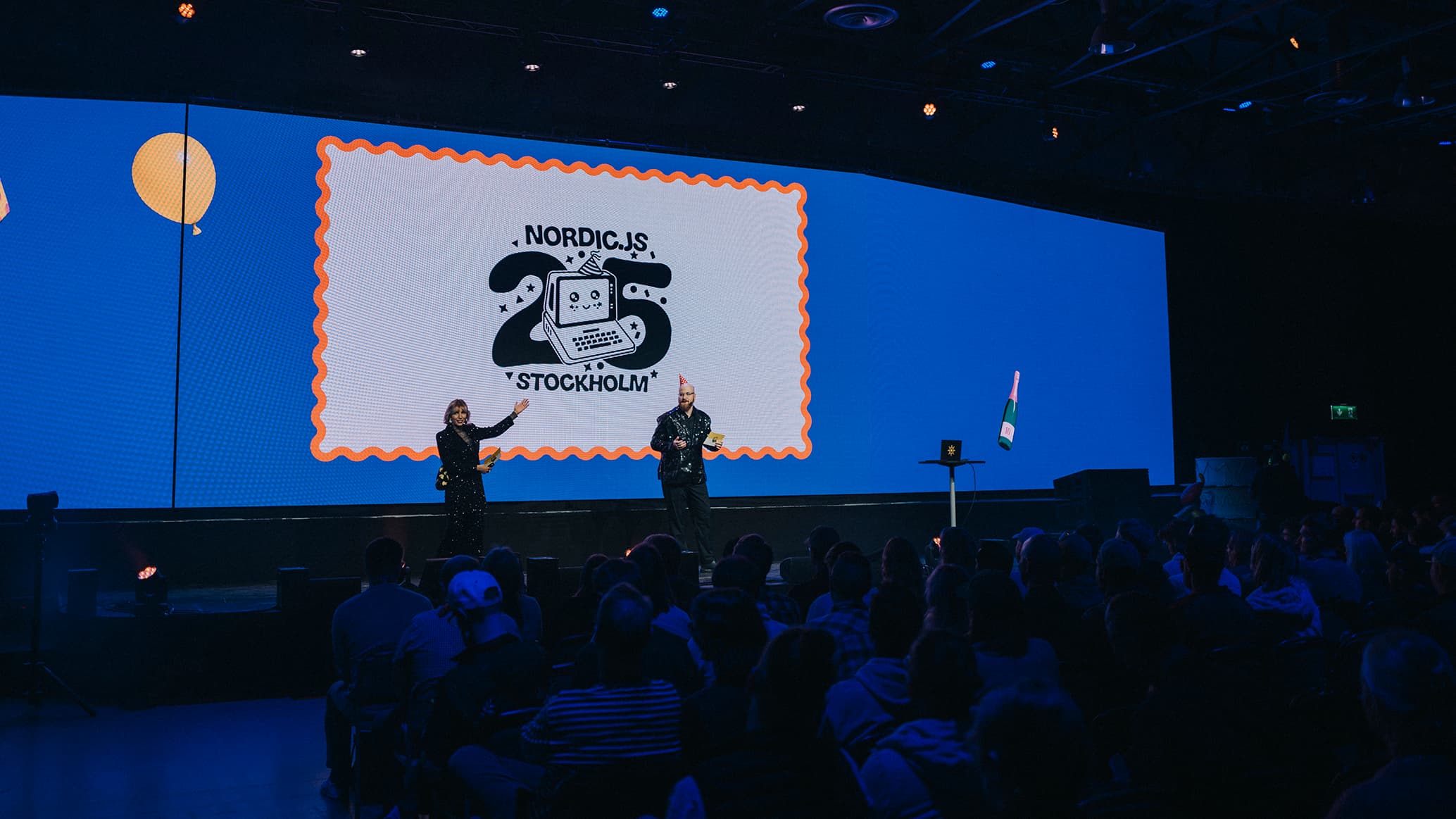
Nordic.js was founded in 2014 by Confetti founders Jonny Strömberg, Martina Elm and Johannes Edelstam. Since then, the conference has grown into one of the most well-loved JavaScript conferences in Europe. The ambition has never been just to gather great speakers on a stage; the goal has been to bring people together and build a community where more people feel they belong.
A large part of that work begins long before anyone steps into the conference venue. It begins with the image of what a tech event is, with the words in the invitation, and with who is standing on stage.
Start with the image of tech
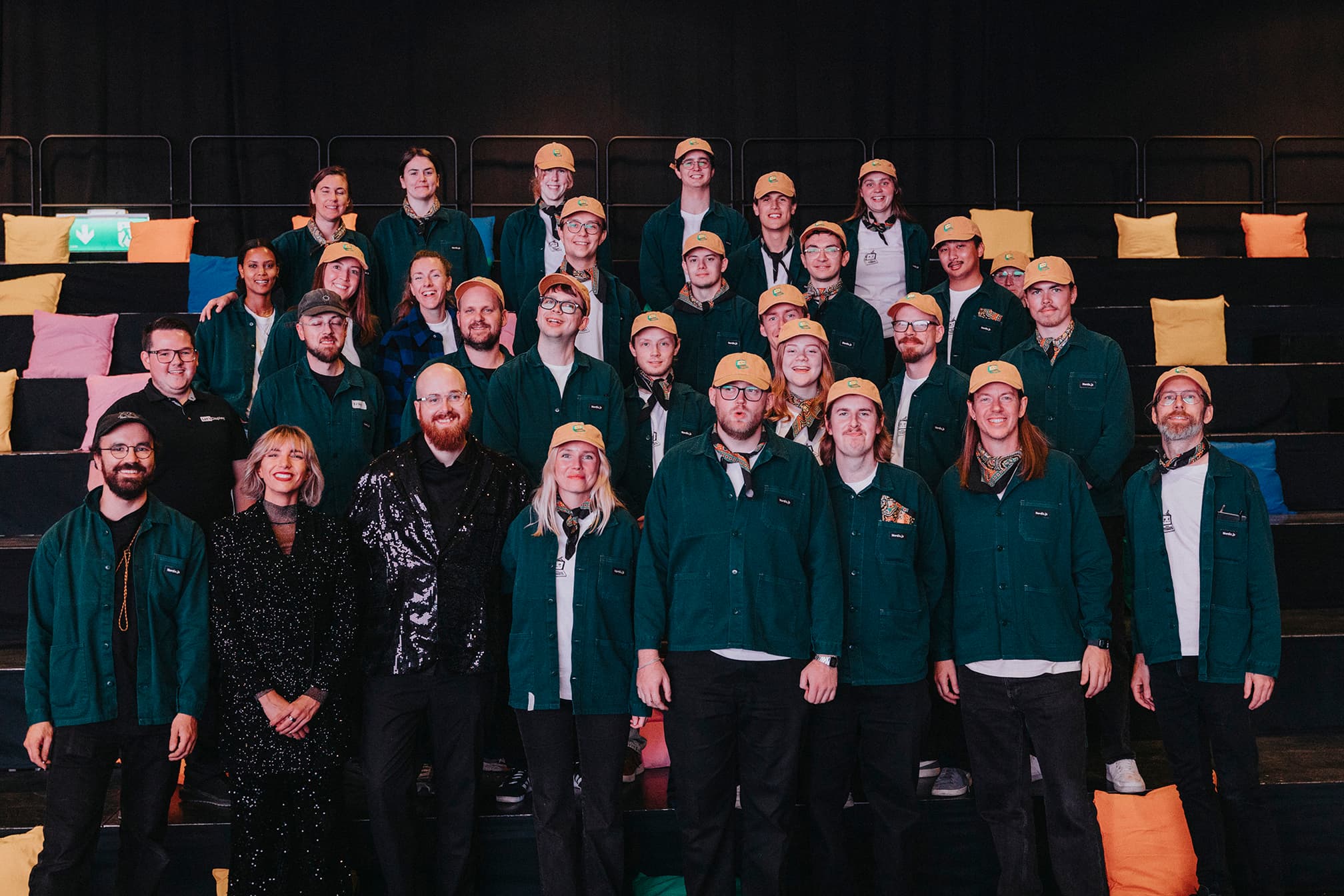
Many people still have a clear picture of what a tech event looks like: young guys, computers, dark rooms, pizza and energy drinks. That picture may feel obvious to some, but it can also cause others not to see themselves as part of the event.
For Nordic.js, inclusion is very much about breaking such stereotypes. That doesn’t mean downplaying the fact that it’s a JavaScript conference. Rather, it’s about showing that tech has room for more styles, more roles and more kinds of people.
Nordic.js describes itself as a conference created by developers for developers. The program mixes the latest in JavaScript with fun experiments and topics such as accessibility and how language can make a community more welcoming. Small choices in imagery, language and design, ones that both play with and challenge the image of tech, affect who feels invited.
Write so more people can see themselves in it
An event invitation does more than explain what’s going to happen. It sets the tone for the entire experience and helps attendees understand whether the event is relevant to them, whether it feels safe, and whether there seems to be room for someone like them.
If the communication is only about code, competition and late nights, it will likely appeal to some more than others. If it’s also about ideas, inspiration, new connections and learning from each other, more people may feel the event is for them.
Think about:
- Which roles you mention, for example developers, designers, creatives or problem-solvers.
- Which images you use, and whether people can recognize themselves in them.
- Which words you choose, so the event feels open without becoming vague.
- What feeling attendees get before they’ve even bought a ticket.
Let the stage reflect the audience you want
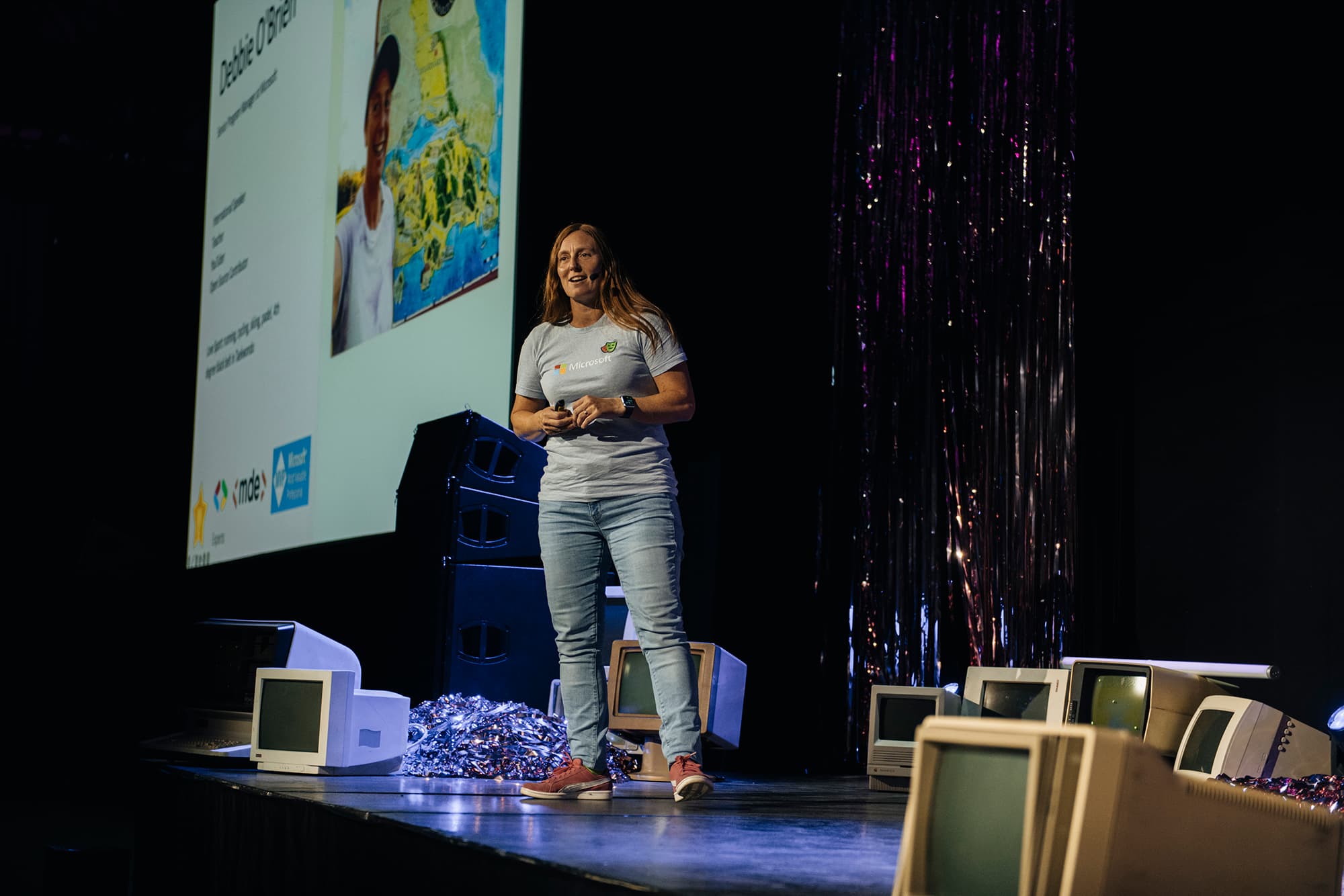
At a conference, the speakers are part of the message. Who stands on stage shows who the event is for. By mixing established names with new voices, Nordic.js gives more people a chance to be seen, and more people in the audience a chance to see someone like them.
Look at who came and who was missing
An inclusive event doesn’t become perfect just because the organizer makes a few deliberate choices in their communication. It’s an ongoing effort. Jonny himself points out that it isn’t always easy to understand people who aren’t like yourself, and that everyone makes mistakes. What matters is listening, learning and adjusting for next time.
So look at who bought tickets, who showed up and who was missing. Consider whether the images, the words and the speaker lineup made it easier or harder for different groups to feel welcome. What can you do differently next year?
When more people feel invited, the whole event changes. The conversations get broader, the ideas more varied and the experience richer.