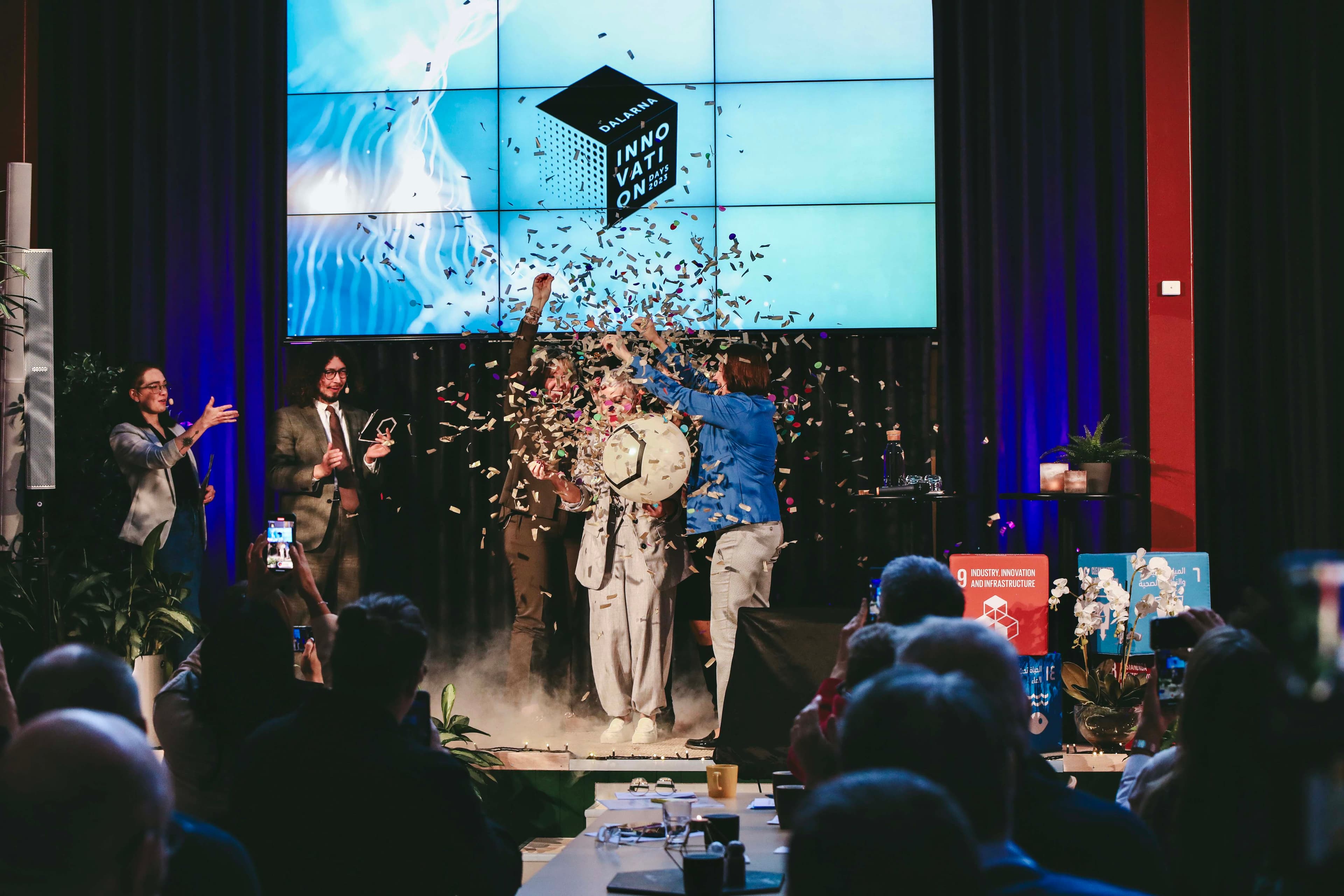
Receptions, premieres, and launches: How to create an event that feels thought through
A good event isn't only about what happens on the day. It starts much earlier — in the purpose, the invitation, the anticipation. And it continues all the way through the guest's experience: from first contact to final impression.

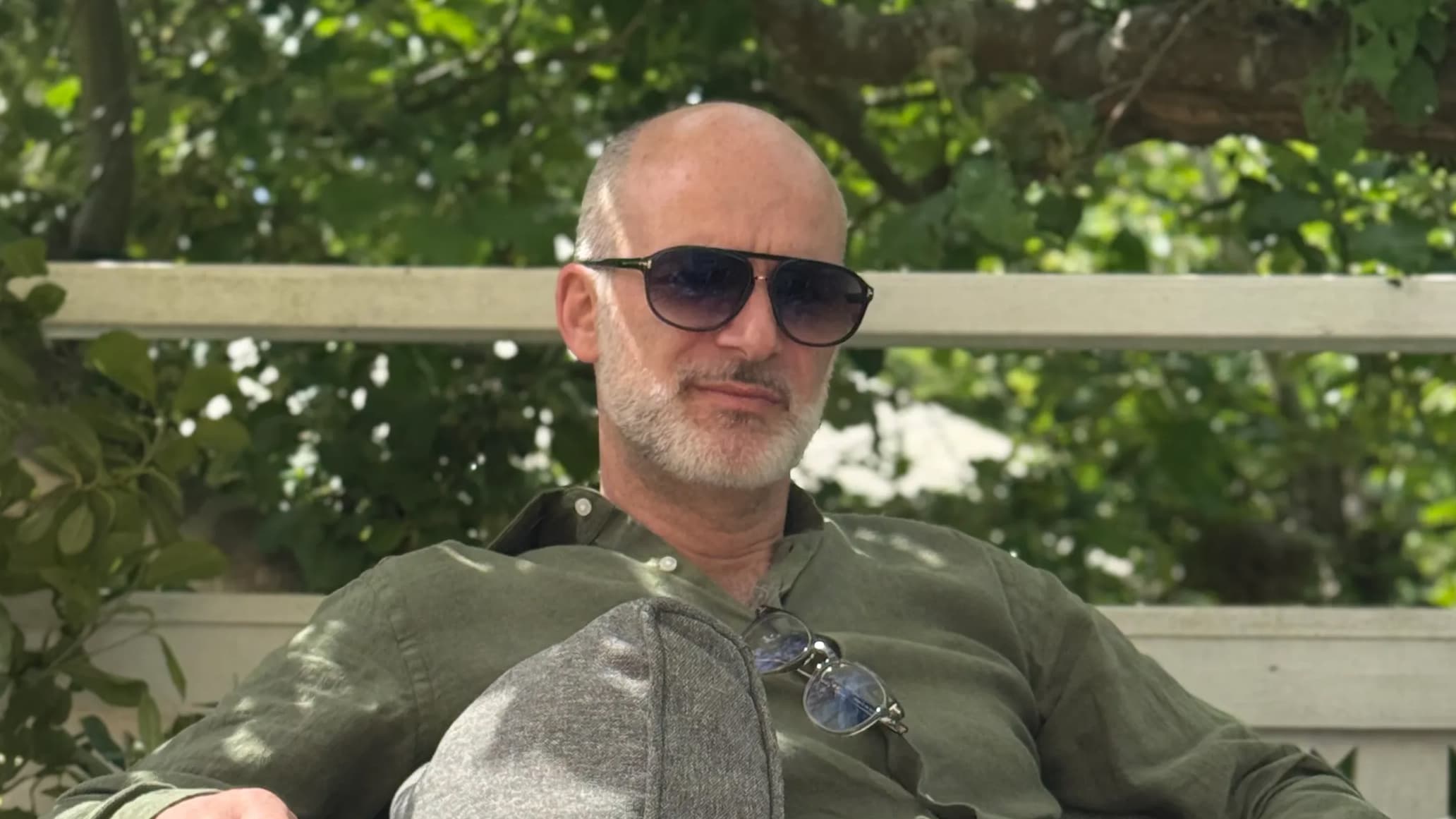
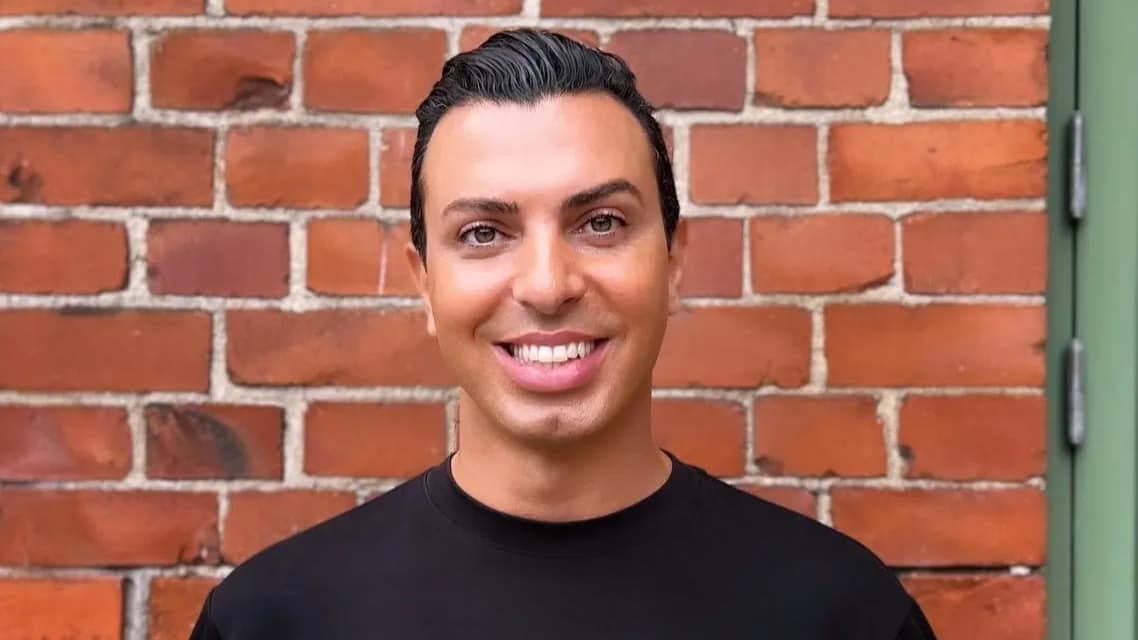
Dennis Jacobsson is CEO and head of events at Bindefeld Communication. The agency works across everything from mingles, premieres, anniversaries, and launches to employee events, B2B events, and leadership gatherings. As Dennis sees it, celebrities and glamour aren't what define the agency, even if that's the part people notice most. What matters is the delivery as a whole.
For Bindefeld, a premium event means every element has to feel considered. The strategy beforehand, the logistics on site, the visual expression, the guest list, the hosting, and the details all need to hang together.
Start with the purpose
The first step isn't the venue, the food, or the stage. The first step is understanding why the event is happening at all.
Dennis points to purpose as the foundation of every assignment. Before you can plan the experience, you need to understand what the client wants to achieve. Should the event generate attention? Build relationships? Celebrate something? Bring employees together? Introduce a new product? Or get the right people into the room in a more private setting?
Once the purpose is clear, everything else becomes easier to steer. You know which guests to invite, what tone the invitation should strike, which venue fits, and what feeling the event should leave behind.
Without a clear purpose, an event easily becomes just a collection of parts. With one, every part can help carry the whole.
Let the details support the whole
A premium event has to hold up both at the overall level and in the details. Dennis describes it as delivery that can stand up to close inspection.
That doesn't mean everything has to be big or expensive. It means nothing should feel arbitrary. The entrance, the flow of guests, the lighting, the sound, the signage, the food, the seating, and the communication all need to feel like parts of the same thought.
It's often the details that make guests notice the difference. Not because they can always point to exactly what's right, but because the whole feels assured, clear, and well made.
Think through:
- What does the guest encounter first?
- Where might lines, stress, or uncertainty arise?
- How does the guest move through the room?
- What should the guest understand without having to ask?
- What feeling should remain when the guest goes home?
When the details support the purpose, the event becomes more than good-looking. It becomes easy to be a guest at.
Set the right expectation in the invitation
For Bindefeld, the invitation has long been an important part of the experience. It sets the tone before the guest has even said yes.
Dennis describes the physical invitation as a messenger for the event. It can convey a sense of what's coming the moment it lands in someone's home. At the same time, the way we invite people has changed. More invitations are digital now, and that puts new demands on creating feeling in a simple, clear way.
Bindefeld uses Confetti for digital invitations, registrations, and guest management. They started talking to Confetti shortly before the pandemic and have used the platform since then to make the process faster, more structured, and more consistent.
Dennis highlights three things in particular:
- They save time compared with older ways of working, with email blasts and individual replies.
- They get clearer structure in the information that comes in.
- They can create a more cohesive digital invitation where both Bindefeld's and the client's identity come across clearly.
The digital invitation doesn't always have to replace the physical one. In some cases they work best together. A physical invitation can create feeling, while Confetti makes it easy to respond, manage guests, and follow up.
Get the right people to say yes
At many events, the guest list is one of the most important elements. That's especially true for premieres, launches, exclusive mingles, and other settings where the goal is to bring the right people into the room.
Dennis describes working with guest lists as something that demands attentiveness, instinct, and constant development. It isn't enough that someone is visible in the media or on social platforms. The right guest depends on the event's purpose, the context, and who else will be there.
This is also where many people picture the classic celebrity party. But for Bindefeld it's rarely about celebrities as such. It's about creating the right mix. Sometimes that includes public-facing figures. Other times it's decision-makers, industry people, clients, employees, or a handful of individuals who matter specifically to that context.
It's also about getting busy people to prioritize your event. For that, the setting has to feel exciting, relevant, and well made. The guest should feel this is worth the time.
Premium isn't only about budget
It's easy to assume premium always means big, expensive, and exclusive. But for Dennis it's more about quality at every stage.
Bindefeld produces events for both small and large groups. That might be eight or ten people in an intimate setting, or several thousand guests at a major opening or gala. Whatever the size, the experience needs to feel worked through.
A small event can feel premium if the purpose is clear, the guests are right, the flow works, and the details are in place. A large event can feel flat if the whole doesn't hold together.
So what matters isn't only how much you spend on the event. It's how well each choice supports the experience.
Build an experience that holds all the way through
An event doesn't begin when guests walk through the door. It begins when they get their first signal that it exists. And it doesn't end when the program is over. It continues in the feeling they take with them, the conversations afterward, and the relationships that keep building.
Dennis points to Grand Hôtel's 150th anniversary as an example of a whole where many parts came together. Bindefeld wasn't responsible for everything, but helped create an experience where the red carpet, the setting, the guest mix, the lighting, and the flow together formed something that felt singular.
It's precisely that interplay that makes the difference. An event gets stronger when strategy, communication, logistics, and feeling all pull in the same direction.
Make it easy to hold everything together
The more parts an event has, the more the structure matters. Guests need inviting, replies need handling, information needs collecting, and the team needs to know where things stand.
That's why Bindefeld uses Confetti. They need a system that makes guest management, invitations, and registrations easier without losing the feeling. For a team working with many details, many guests, and high expectations, structure becomes an important part of the delivery.
With Confetti they can send invitations, collect responses, sort information, and keep better track of guests. It saves time, but it also creates confidence. The team gets a better overview, and the guest gets a clearer path from invitation to registration.
When the system handles the practical side, the organizer can spend more time on what actually shapes the experience: the purpose, the people, and the details.
Create an event that feels worth the time
A well-considered event is ultimately about respect for the guest. You're asking people for their time, their attention, and sometimes their presence in a room where many others would like to be.
So every part has to feel worth it.
Start with the purpose. Build the guest list from there. Set the right expectation in the invitation. Plan the flow. Take care of the details. And make sure the experience holds all the way through.